Strabismus after retinal detachment surgery
Correcting strabismus that develops as a side effect of retinal detachment surgery.
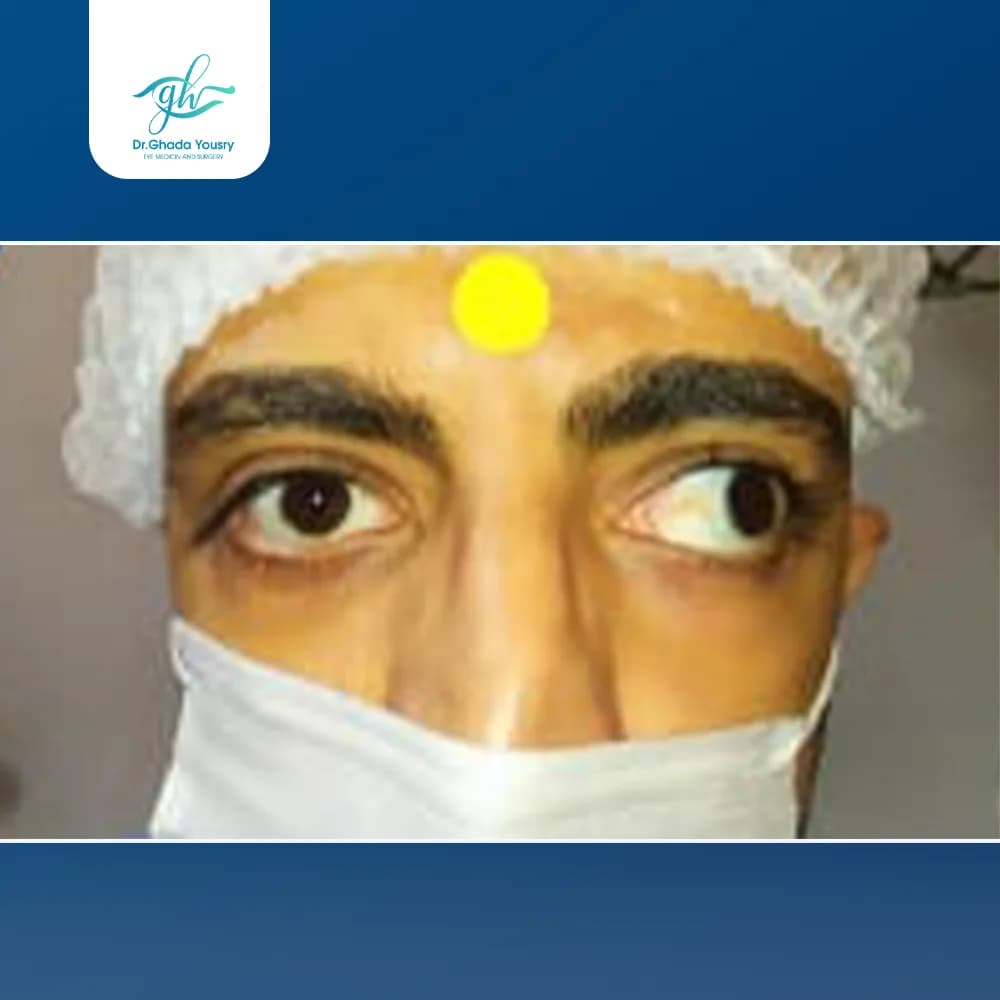
Signs it's time to visit
- Eye misalignment appearing after a previous retinal detachment surgery
- Difficulty moving the eye in a specific direction post-surgery
- Double vision that wasn't present before the retinal procedure
Want to ask the doctor about your case?
Send your case details on WhatsApp and we'll reply as soon as possible.
Ask on WhatsAppSome retinal detachment repair procedures leave a lasting effect on eye-muscle movement, since the scleral buckle used to reattach the retina sits close to the muscles that move the eye. Treating this type of strabismus requires precise surgery that distinguishes between the retinal buckle and the restricted eye muscle — a highly specialized procedure requiring real experience in complex strabismus surgery.
Your treatment includes
- Careful assessment of the buckle-to-muscle relationship
- Specialized surgery to correct the resulting strabismus
- Focused expertise in complex post-retinal-surgery cases
Quick facts
- Category
- For adults
- Suited for
- Cases with a prior retinal detachment surgery
- Patient rating
- 4.9
Honestly the best strabismus doctor in Egypt — gentle hands and excellent follow-up.
Everything you want to know
A type of acquired strabismus that occurs as a side effect after retinal detachment repair surgery — not an original eye misalignment.
Scarring or adhesions in the muscles from the surgery itself, a shift in a muscle's position or length while accessing the retina, or gas or silicone oil injected into the eye temporarily affecting balance.
Double vision after surgery (which may be temporary or permanent), a visible deviation in the operated eye, and difficulty moving the eye in a certain direction.
Other services you may need

For Your Eye Health
Book today and begin the journey with leading expertise and care.